

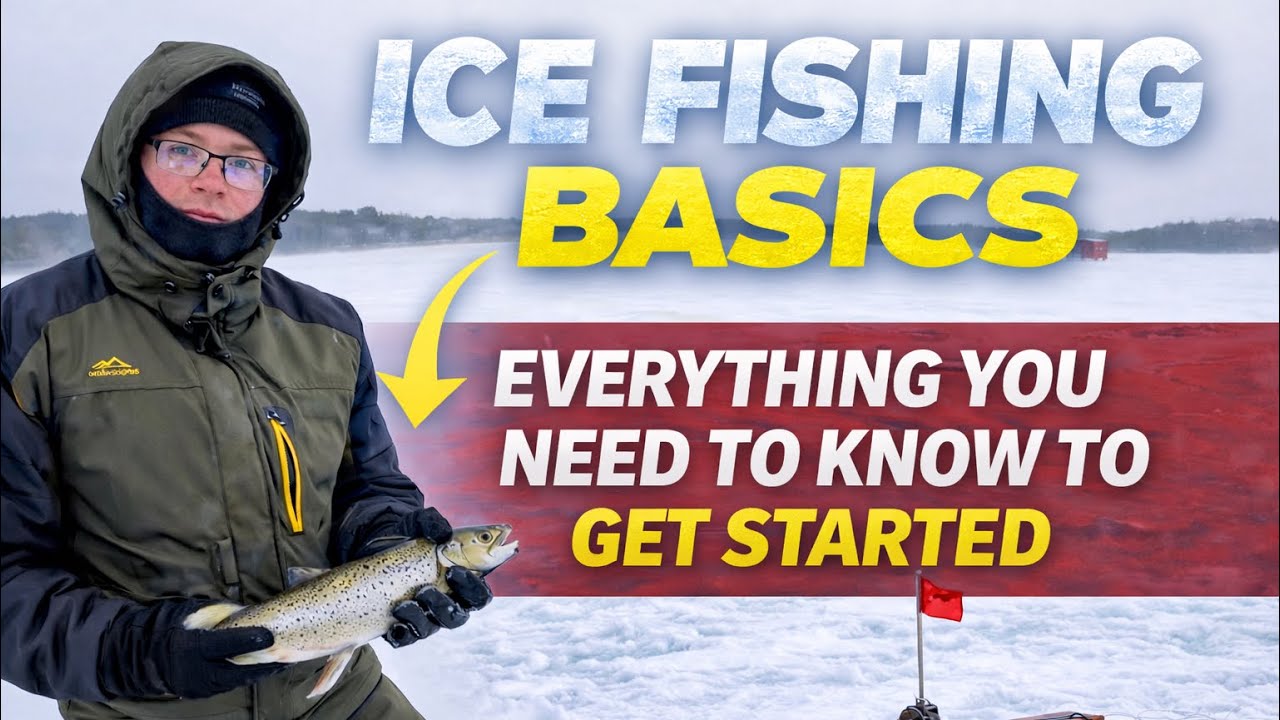
Mastering the ice fishing basics is the key to a successful, safe, and enjoyable day on Maine’s frozen lakes. For over 30 years, I’ve seen folks show up underprepared, and that’s the biggest mistake you can make. The cold is unforgiving, but the fishing can be incredible if you have the right knowledge and gear. It’s about more than just drilling a hole; it’s about understanding the environment and having equipment you can trust.
Essential Gear: The Bare Minimum
To get started, you don’t need the most expensive gear on the market, but you do need gear that works. I break down all the options in the video above, but here’s the quick list of what you’ll need to get a line in the water.
- Traps (Tip-Ups): These are your rod and reel. A basic set will catch fish, but be prepared for them to wear out faster.
- Ice Auger: You can’t fish if you can’t make a hole. A manual hand auger is a workout but gets the job done for starters.
- Line: A good braided ice line is crucial. Don’t skimp here, as it’s your only connection to the fish.
- Skimmer: A simple tool, but essential for clearing slush and ice out of your holes to keep them from freezing over.
An Investment in Quality
After a season or two, you’ll see the value in upgrading. High-quality traps from Maine makers like Jack Traps or Heritage Traps are built to last a lifetime. They’re what we use on our guided ice fishing trips. They’re dependable in the harshest conditions. A gas or electric auger saves your back and lets you drill more holes, faster, which means you can search for fish more effectively. These pieces aren’t just gear; they’re an investment in your time on the hardwater.
Dressing for the Cold: The Most Critical of Ice Fishing Basics
Having the best gear in the world won’t matter if you’re freezing. Cold is the enemy, and the single most important part of ice fishing basics is learning to layer properly. Forget that big, bulky old snowsuit. Modern clothing is all about the system.
- Base Layer: This is against your skin. It should be wool or a synthetic material that wicks sweat away. Never wear cotton. Cotton holds moisture and will make you dangerously cold.
- Mid Layer: This is your insulation. Fleece or a down puffy jacket works great to trap your body heat.
- Outer Layer (Shell): This is your protection from the elements. It needs to be waterproof and windproof to keep you dry and block the biting North Woods wind.
This layering system lets you add or remove clothing to regulate your temperature as conditions change or as you go from drilling holes to sitting and waiting for a flag.
Safety and Regulations
Before you even step on the ice, check its thickness. Four inches of good, clear ice is the minimum for walking. Always know the local regulations for the body of water you’re on. The Maine Department of Inland Fisheries & Wildlife website is your best resource for fishing laws, stocking reports, and licensing. Don’t risk a fine or your safety.
Ready to put these ice fishing basics to the test but want an expert to show you the ropes? A guided trip can take the guesswork out of your first few outings and put you on the fish. Contact us today to book a memorable day on the hardwater here in Central Maine.
From the Field
More From Our Guides
 The Unbelievable Secret to Hunting a Mature Maine BuckRead the article →
 Late Winter Deer Behavior: What Sparring Yearlings Say About the HerdRead the article →
 The Unforgettable Thrill of a Maine Guided Hunting and Fishing SeasonRead the article →
 Episode 1: A Story of a Big Maine BuckRead the article →