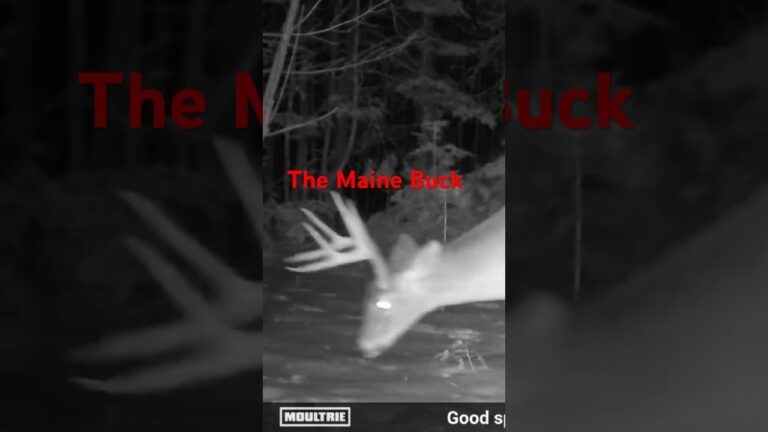

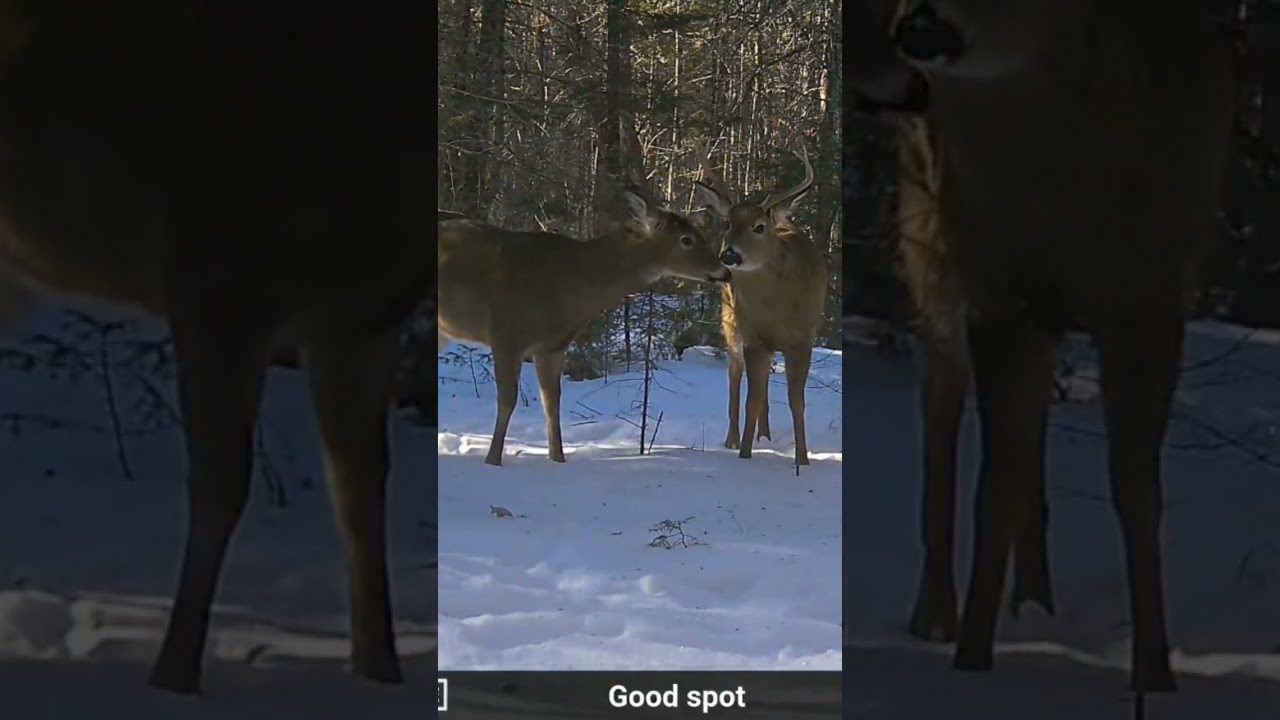
Observing winter whitetail deer behavior is more than just a pastime; it’s a critical part of understanding the health of our local herd and planning for the seasons ahead. The other day, we caught this simple moment on video—just a couple of yearlings letting loose in the snow. To some, it’s just a cute clip. But to a seasoned guide, it’s a report card on the winter we’ve had and a forecast for the fall hunt to come.
More Than Just Play
When you see deer rearing up and sparring like that late in the season, it’s an incredibly positive sign. It means they aren’t just surviving—they’re thriving. A deer that’s struggling to find food and conserve energy doesn’t waste calories on play. This tells us a few things:
- Adequate Food Sources: They’ve had enough browse and access to feed to maintain good body weight through the toughest months.
- Mild Winter Impact: While every Maine winter is tough, this behavior suggests the snow depth and cold weren’t severe enough to critically stress the herd in this area.
- Healthy Animals: Playful, energetic deer are healthy deer. This is exactly what you want to see heading into the spring green-up and fawning season. A strong start now leads to a robust population in the fall.
What This Behavior Means for Your Hunt
So, how does watching a couple of young deer goofing off translate to a successful hunt? It’s all about scouting and intel. Understanding this type of winter whitetail deer behavior gives you an edge.
When we see this level of activity, we know the local deer made it through winter in good shape. This often means a higher fawn survival rate and does that will be in better condition to raise them. For those of us focused on a deer hunting adventure, it signals that the bucks will also be recovering faster, allowing them to focus that energy on antler growth sooner. Seeing signs of a healthy herd now is the first step toward patterning a mature buck later.
This is the kind of boots-on-the-ground knowledge that makes a guided hunt so valuable. We spend the entire year observing these patterns, long before the season ever opens.
A Living Woods
Of course, the whitetail aren’t the only ones telling a story out there. The late winter woods are alive with activity. We’re seeing tracks from fishers, coyotes, and bobcats, which makes this a prime time for our guided trapping clients. Every sign is a piece of a larger puzzle.
The success of our wildlife populations is a testament to strong conservation efforts, managed by the dedicated folks at the Maine Dept of Inland Fisheries & Wildlife. Their work ensures these incredible resources are here for generations to come.
The bottom line is simple: the more you understand the whole picture of the Maine woods, the better outdoorsman you become. Watching, listening, and interpreting the signs—that’s the real secret.
Ready to put decades of this kind of observation to work for you? Our guided deer hunting slots fill up fast. Contact us today to book your adventure and hunt with guides who live and breathe this every single day.
From the Field