
The Quiet and the Strike
There’s nothing quite like Maine ice fishing for brook trout on a crisp winter day. The world gets quiet under a blanket of snow, the air is sharp, and the only sounds are the wind in the pines and the scrape of your boots on the ice. It’s a peaceful way to spend a day, but don’t let the calm fool you. Beneath your feet, in that cold, dark water, is a world of incredible beauty and action, just waiting for the right presentation.
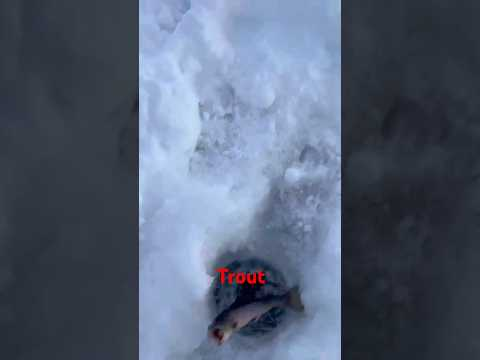
As you can see in the video, that tranquility can be shattered in an instant. One moment you’re jigging, feeling the subtle tap-tap-tap, and the next you’re setting the hook on a flash of color and fight. Pulling a native Maine brookie up through the hole is a reward that never gets old. Their colors—the deep greens, fiery oranges, and blue halos—are just spectacular against the white snow. That fish was a perfect Valentine’s Day catch, a real heart-stopper.
Location, Location, Location
Success in Maine ice fishing for brook trout often comes down to where you drill your holes. In the winter, brookies aren’t just anywhere. They school up and relate to specific structure and conditions. You have to think like a fish.
We look for key areas like underwater springs, rocky points, submerged timber, and the mouths of inlets or outlets. These spots provide cover and a steady supply of food. The key is knowing the waterbody. Thirty years on these lakes and ponds gives you a pretty good map in your head of where those fish are likely to be holding, saving you hours of drilling empty holes. This is a huge part of what we offer on our guided ice fishing trips.
Gear and Tactics for Hardwater Success
You don’t need a mountain of gear, but you do need the right tools for the job. While traditional tip-ups (we call ’em traps) baited with a shiner or worm certainly catch fish, jigging is my preferred method for brook trout. It’s an active, engaging way to fish that lets you cover water and feel the strike directly.
- Go Light: A short, sensitive ice fishing rod paired with 2-4 lb test line is all you need. The light line is less visible to wary trout and lets your tiny jig have maximum action.
- Jig Smart: Small teardrop jigs, tungsten jigs, or spoons tipped with a wax worm, mealworm, or a piece of shiner are deadly. The key is to vary your jigging motion until you figure out what they want—sometimes it’s aggressive rips, other times it’s just a subtle quiver.
- Stay Legal: Regulations for winter brook trout fishing can vary wildly from one body of water to the next. Always, and I mean always, check the lawbook from the Maine Dept of Inland Fisheries & Wildlife before you head out. Some of our best ‘heritage waters’ are fly fishing only or have very specific slot limits.
Whether you’re a seasoned angler or looking to try it for the first time, there’s a unique magic to being out on the hardwater. It’s about more than just the fish; it’s the challenge, the scenery, and the satisfaction of earning a beautiful catch like that Valentine’s brookie. The experience of lake/pond fishing in the winter is truly a core part of the Maine outdoor tradition.
Ready to feel that line go tight and see those brilliant colors for yourself? Our guided trips take the guesswork out of the equation. We’ll put you on the fish, provide the gear, and share the techniques that have taken us decades to perfect. Contact us today to book your Maine ice fishing adventure!
Comments are closed