
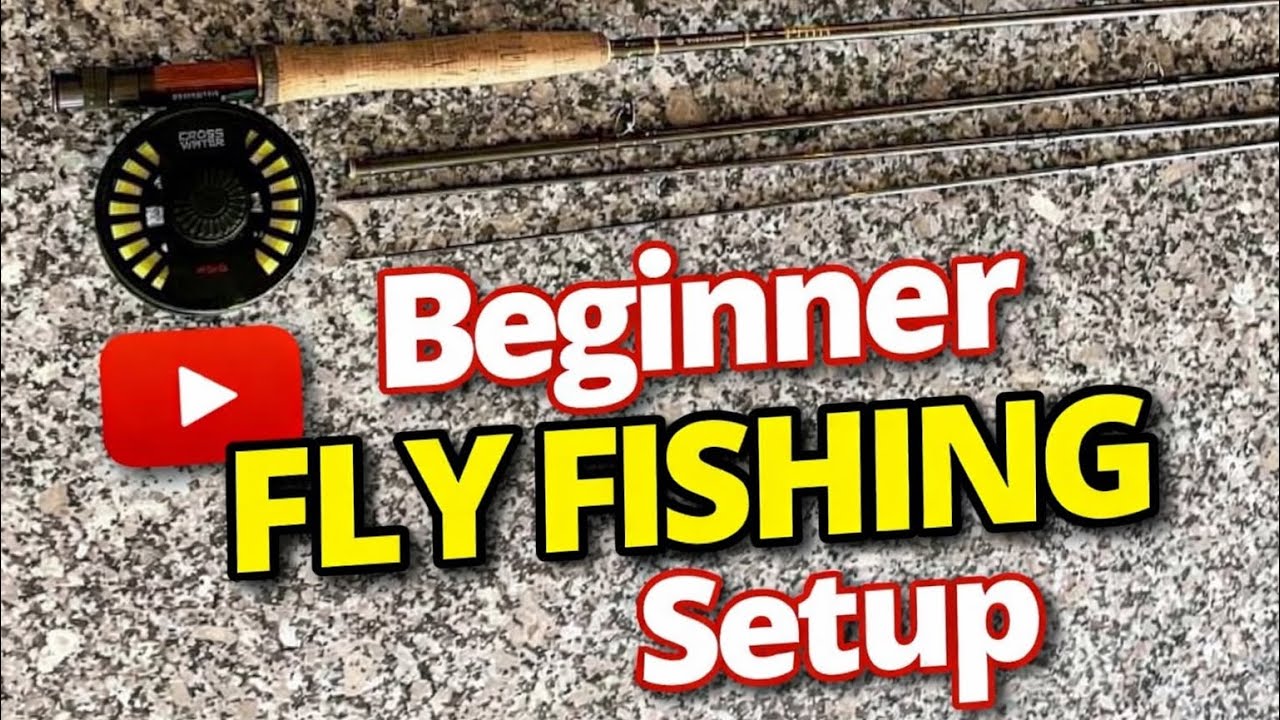
Finding the best beginner fly fishing setup can feel like navigating a cedar swamp without a compass. A lot of folks I talk to get paralyzed by all the options and the price tags, thinking they need to spend a thousand dollars just to get on the water. That’s the biggest mistake you can make. The truth is, getting a solid rig to chase brookies in our heritage waters is more accessible than ever. You just need to know where to put your money.
Start Smart: The All-in-One Outfit
For most people just starting out, you can’t go wrong with a complete outfit. Companies like Orvis, Redington, and Temple Fork Outfitters (TFO) package a rod, reel, fly line, and leader all in one tube for a fair price. We’re talking about the $200-$300 range. For trout fishing here in Maine, a 9-foot, 5-weight rod is the perfect all-around tool. It’s got enough backbone for a breezy day on a pond but is delicate enough to present a dry fly on a small stream.
Is it a top-of-the-line rod? No. But it’s more than enough to learn on and will catch you plenty of fish. It gets you out there, which is what matters.
The Sweet Spot: A Setup You Can Grow With
If you’ve already got the bug and know you’re going to stick with it, it’s worth stepping up to the next tier. This is in that $400-$600 range. Here, you’re getting a rod that’s lighter, more responsive, and a reel with a smoother drag. This is a workhorse setup that could last you a lifetime. This kind of rig is what we often recommend for folks who book our guided wade fishing trips and want to buy their own gear afterward. It’s the perfect balance of performance and value, a true investment in your time on the water.
The Custom Rig: Putting Your Money Where It Counts
Now, if you want the best possible performance for your dollar, consider building your own setup. This might sound intimidating, but it’s simple: spend your money on the rod and the fly line. For most trout applications, the reel is just there to hold the line. You don’t need a fancy, expensive reel.
By pairing a quality mid-priced rod with a premium fly line, you can create a best beginner fly fishing setup that casts better than many pre-packaged, high-end outfits. This approach gives you a custom feel and lets you dial in your gear for the specific kind of fishing you’ll be doing, whether it’s floating a big river or sneaking up on a quiet beaver pond.
No matter which path you choose, remember to check the latest regulations from the Maine Dept of Inland Fisheries & Wildlife before you head out. The right gear is only half the battle. Knowing the rules and respecting the resource is what being a true Maine angler is all about.
The key is to not let the gear intimidate you. A simple, well-balanced outfit is all you need to unlock some of the best fishing Maine has to offer. Getting good advice from experienced guides can make all the difference.
Ready to put one of these setups to the test on Maine’s legendary trout waters? Let us shorten that learning curve. Book a Guided Fly Fishing Trip with us and we’ll show you the ropes, from casting basics to reading the water. Contact us today to get started!
Line, leader and tippet
This is the part most beginners skip, and it matters more than the rod. A good rod with the wrong line fishes badly; a cheap rod with the right line fishes fine.
For Maine trout, a weight-forward floating line in the rod’s own weight is the answer nine times out of ten. It loads the rod at short range, which is what you need on our streams, and it is the easiest line to learn to cast with.
Leaders are simpler than the wall of packets suggests. A 9ft tapered leader in 4X or 5X covers most brook trout fishing here. Carry a spool of tippet in the same sizes and add a length when the leader gets short from changing flies, rather than buying a new leader every time.
One habit worth forming early: check the last two feet of tippet for wind knots and nicks every so often. Most fish lost by beginners are lost there, not at the rod.
Common questions
What weight rod should a beginner buy for trout?
A 9ft 5-weight is the standard first rod, for good reason. It handles small brook trout flies and a windy day on a lake equally well. If you know you will mostly fish small brooks, a 3 or 4-weight is more fun, but the 5 does everything.
Do I need an expensive reel?
No. For trout the reel mostly stores line. Spend the money on the line and the rod and buy a simple reel with a working drag.
How much should a first setup cost?
An all-in-one outfit with rod, reel and line runs about 150 to 250 dollars and will catch fish for years. Spending more buys a lighter rod and a smoother drag, not more trout.
What flies should I start with in Maine?
A small box covers most of the season here. See our guide to the best spring flies for Maine for what we actually tie on.
Is it worth going out with a guide first?
It shortens the learning curve considerably. Our guided wade and fly fishing trips include tackle, so you can try a proper setup before buying one.
From the Field