
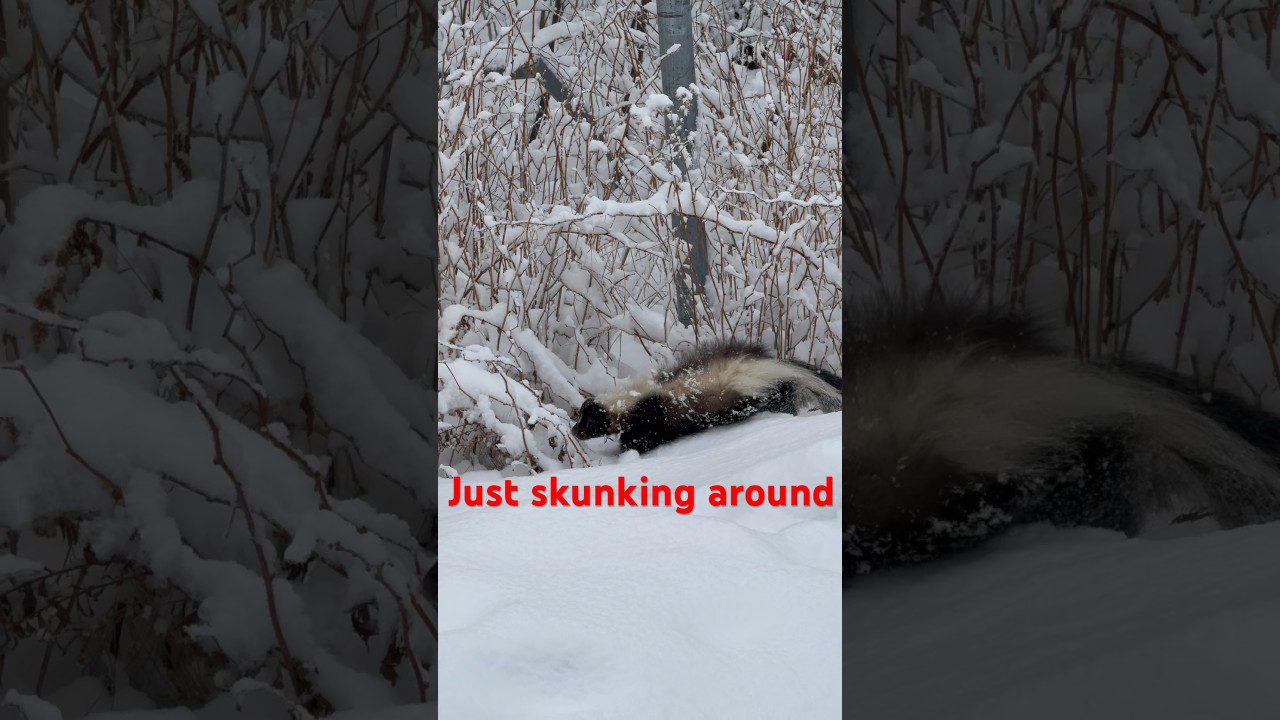
Observing winter wildlife in Maine is a game of reading signs, and sometimes those signs walk right out in front of you when you least expect it. After more than 30 years in the North Woods, I can tell you that every track, every movement tells a story. It’s what separates a good day in the woods from a great one, whether you’re hunting, trapping, or just enjoying the quiet of the season. Recently, we caught a classic example on camera of an animal that many folks assume is sleeping soundly this time of year.
Why a Skunk in the Snow?
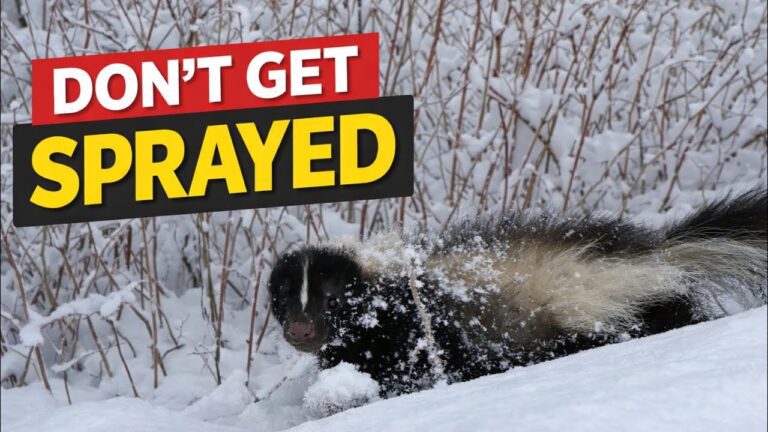
That little fella in the video catches a lot of people by surprise. The common thinking is that skunks hibernate straight through ’til spring. That’s a mistake. They don’t truly hibernate like a bear; instead, they enter a state called torpor. They’ll den up, their metabolism will drop way down, and they’ll sleep for long stretches. But a string of mild days or a gnawing hunger is all it takes to wake them up and send them out for a look around.
For us, seeing these tracks is a crucial piece of information. It tells us what’s active and what’s not. Understanding this kind of behavior is fundamental to what we teach on our guided trapping adventures. You have to know the animal to be successful.
Reading the Winter Story
Snow is the great storyteller of the woods. It’s a blank page written on fresh every night. That skunk’s meandering trail tells a different tale than the straight, purposeful track of a coyote or the bounding prints of a fisher. Learning to read these stories is a skill that serves you well no matter your pursuit.
- Purposeful vs. Meandering: Is the animal traveling from A to B, or is it searching for food? A straight track means business.
- Gait and Pattern: Is it walking, trotting, or bounding? This tells you about its mood and energy level.
- Interaction: Where do tracks cross? Did one animal follow another? The woods are a busy place.
This deep observation is something we emphasize on our nature hikes just as much as on a hunt. It connects you to the environment in a way nothing else can.
More Than Just Furbearers
This principle of observation applies to all winter wildlife in Maine. The same skills you use to notice a skunk out of its den are the ones that will help you spot the subtle flick of a deer’s ear in a thicket. It’s about slowing down and truly seeing what’s in front of you. Finding buck sign after a fresh snow, for example, is a key part of successful late-season deer hunting. The patterns of all wildlife are interconnected.
The state has excellent resources for anyone looking to learn more about the animals we share these woods with. The Maine Dept of Inland Fisheries & Wildlife website is a great place to start for information on species and seasons. For a hands-on education, though, nothing beats time in the field with someone who can read the signs.
So next time you see some unexpected winter wildlife in Maine, don’t just see a skunk. See a clue. See a piece of the puzzle that makes the North Woods so challenging and rewarding. It’s these little details that lead to big success.
Ready to Learn the Language of the Woods?
If you want to go beyond just looking and start seeing, join us for a guided trip. We’ll teach you how to read the signs the forest leaves behind. Book your guided trapping adventure with us today!
From the Field
More From Our Guides
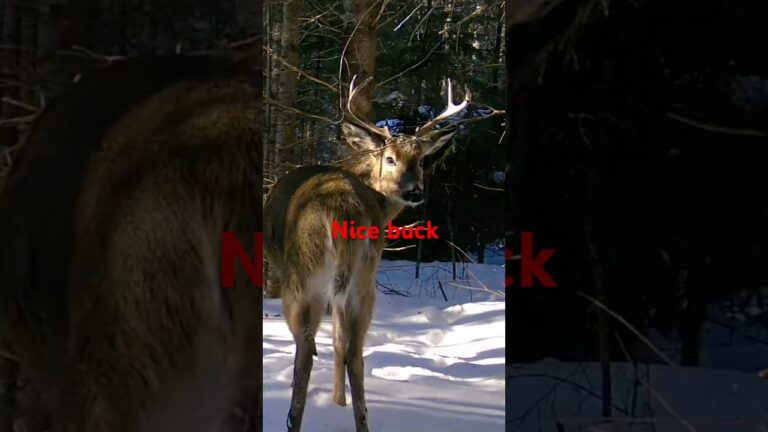 Winter Deer Scouting: What a Healthy Buck in a Deer Yard Tells YouRead the article →
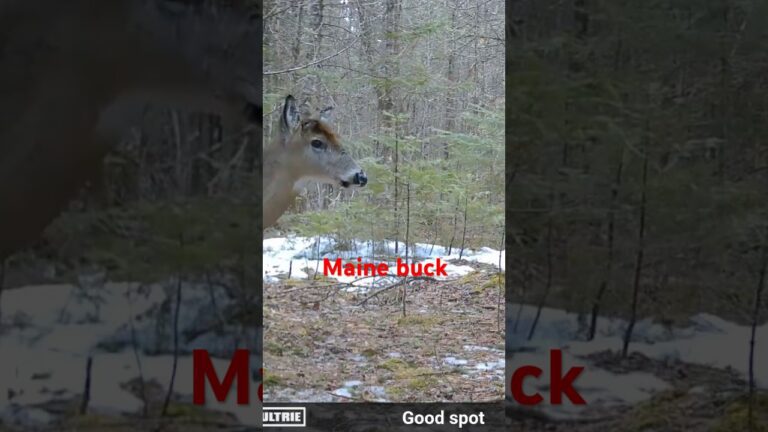 The Critical Mistake of Ignoring Simple Maine Deer BehaviorRead the article →
 The Critical Risk of Misreading Deer Behavior in the Maine WoodsRead the article →
 The Biggest Risk in Skunk Trapping (And How to Avoid It)Read the article →