
Reading the Language of the North Woods
Coyote marking territory is one of the most common and misunderstood signs you’ll find in the Maine woods. A lot of folks see this behavior and just think the animal is relieving itself, but they’re missing the bigger picture. To a seasoned guide, hunter, or trapper, this is a loud and clear message—a billboard posted right on the trail. Understanding what this sign means can be the difference between a full freezer and an empty tag.
It’s More Than Just a Scent
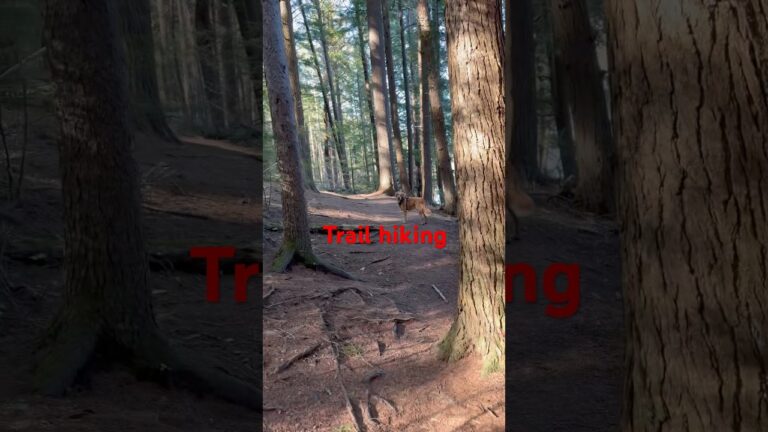
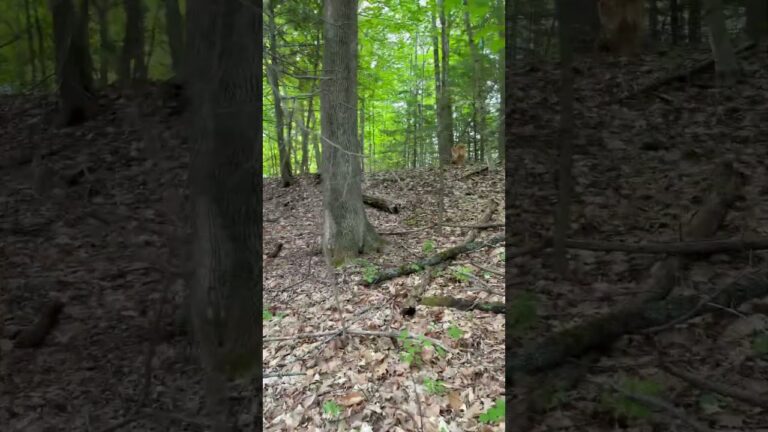
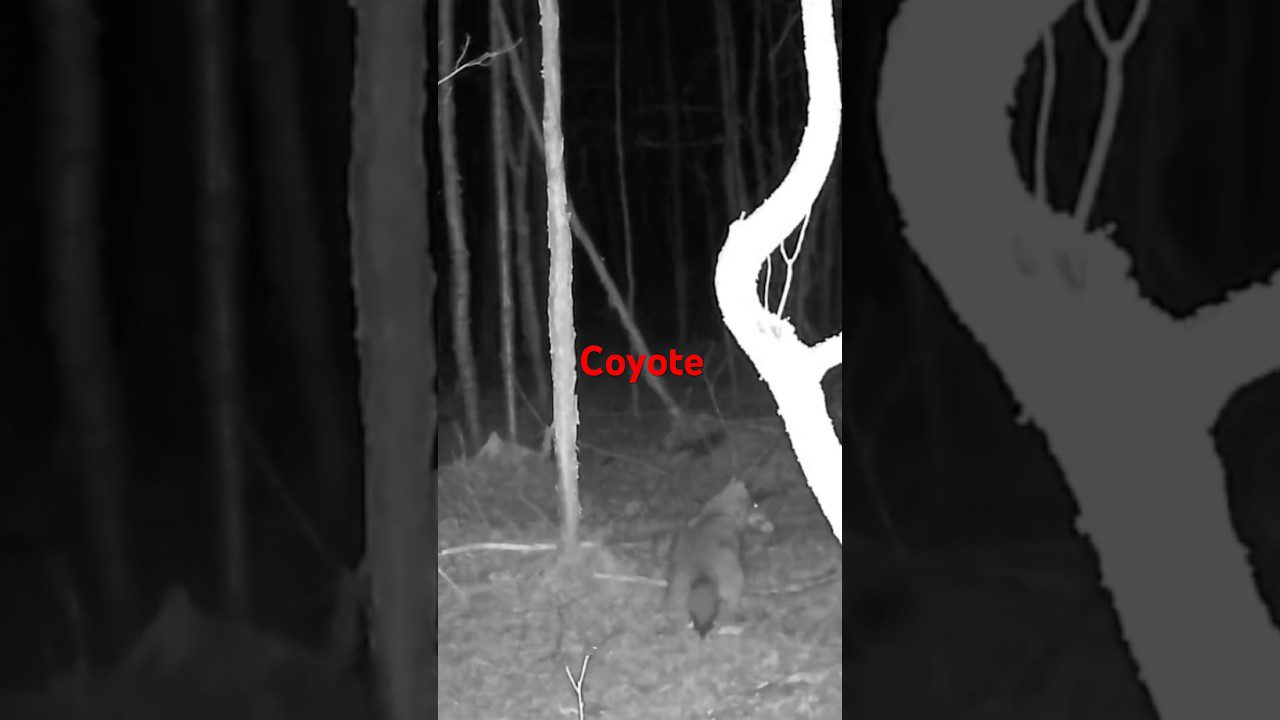
When you see a coyote lift its leg on a stump, a rock, or a clump of grass like in this video, it’s doing more than just peeing. It’s creating a scent post. This is a deliberate act of communication. That scent tells other coyotes everything they need to know:
- Who’s Here: The urine contains pheromones that identify the individual coyote.
- Their Status: It can signal whether they are dominant, a lone traveler, or part of an established pack.
- Breeding Readiness: It lets others know if they are ready to mate.
Notice the ground scratching after. That’s not just for show. It’s a visual marker that draws attention to the spot, and it deposits even more scent from the interdigital glands in its paws. A coyote marking territory is leaving a detailed business card for every other animal to read.
What This Means for Your Hunt
So, why should a hunter care? Because coyotes are top-tier predators. A heavy presence of scent posts means a healthy, active coyote population in the area. This has a direct impact on your deer hunting success. Deer know when coyotes are thick on the ground. They’ll be more skittish, change their travel patterns, and might even abandon a territory if the pressure is too high. Finding a lot of fresh coyote sign might be a signal to move your stand to a quieter location where deer feel safer.
This intel is also critical for those pursuing smaller game. Coyotes are a major predator for our grouse and woodcock populations, so understanding their movements is key for successful upland bird hunting.
A Gold Mine for Trappers
For trappers, these scent posts are pure gold. A spot that a coyote has chosen to mark is a spot it will likely visit again. These are natural, high-traffic locations perfect for a set. A well-placed foothold trap or snare near a fresh scent post dramatically increases your odds of a catch. Understanding coyote marking territory is fundamental to a successful trapping season and is a crucial part of wildlife management, which you can learn more about from the Maine Dept of Inland Fisheries & Wildlife.
The woods are always talking. The trick is knowing how to listen and read the language. The next time you see a track, a scrape, or a scent post, take a moment to figure out the story it’s telling you. It will make you a far better and more successful outdoorsman.
Reading sign and having a problem are two different things. A scent post on a trail is normal coyote behaviour and not a reason to do anything at all. If coyotes are actually taking poultry or small stock on your place, that is a property problem rather than a woodcraft one, and we handle it through coyote and predator control.
Ready to learn how to read the woods and master the art of the trap line? Our guided trapping trips will teach you the skills that have been passed down for generations. Book your adventure with us today.
From the Field