Reading deer behavior is the single most important skill you can develop as a hunter, and it’s something we spend years in the North Woods trying to master. It’s more than just looking for a twitch of an ear or a flick of a tail; it’s about understanding the animal’s thought process, its survival instincts, and what it’s telling you without making a sound. Folks spend a fortune on gear, but they often forget that the best tool they have is a sharp set of eyes and an even sharper mind.

What This Deer is Really Doing
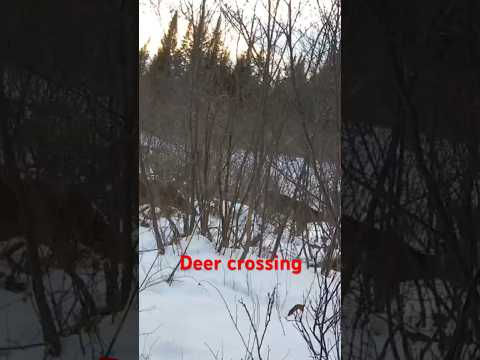
Watch that clip again. This isn’t just a deer crossing a stream. This is a masterclass in risk assessment. See the hesitation? The careful placement of each hoof? That deer is testing the ice, checking the depth, and listening for any sign of danger. It’s conserving energy and minimizing risk. This is a perfect example of reading deer behavior in real time. In the late season, when the woods are quiet and the cold bites deep, every calorie counts and every decision matters. That deer is showing you exactly how it survives out here.
Applying the Lesson to Your Hunt
This is what separates the successful hunter from the one who goes home empty-handed. When we’re out on a guided deer hunting trip, I’m constantly pointing out these subtle clues. The mistake many hunters make is seeing the deer, but not observing it. They get buck fever and miss the story the animal is telling them.
- Hesitation is Information: A deer that stops and hesitates like this is telling you it’s on high alert. Something isn’t right in its world. Is it the wind? A sound you didn’t hear? Or did it catch your scent?
- Body Language is Everything: A rigid posture, flared nostrils, and cupped ears facing a single direction are dead giveaways. Understanding this part of reading deer behavior lets you predict its next move.
- Route Selection is Key: Deer are creatures of habit but not of stupidity. They will use the path of least resistance that offers the most cover and safety. This stream crossing is a calculated risk, not a random one.
A Skill for All Seasons
This skill—this patience and observation—isn’t just for deer. It’s what makes you a better outdoorsman, period. It’s what helps you know where to set a trap line. It’s the same instinct that tells you when the ice is safe for a day of ice fishing on our hardwater lakes. The woods are always talking to you; you just have to learn the language.
Before heading out, especially in winter conditions, always check the latest advisories and safety tips from the Maine Dept of Inland Fisheries & Wildlife. They provide crucial information for staying safe while you’re focused on the hunt.
Success in the Maine woods isn’t just about the shot. It’s about the thousand small moments of observation leading up to it. It’s about respecting the animal enough to understand its world. That’s the real trophy.
Ready to move beyond just seeing deer and start truly understanding them? Our guided hunts are hands-on lessons in woodsmanship and the art of reading deer behavior. Book your guided Maine deer hunt with us today and learn the secrets the woods have to offer.
Comments are closed