
A Late-Season Sign Every Hunter Should Understand
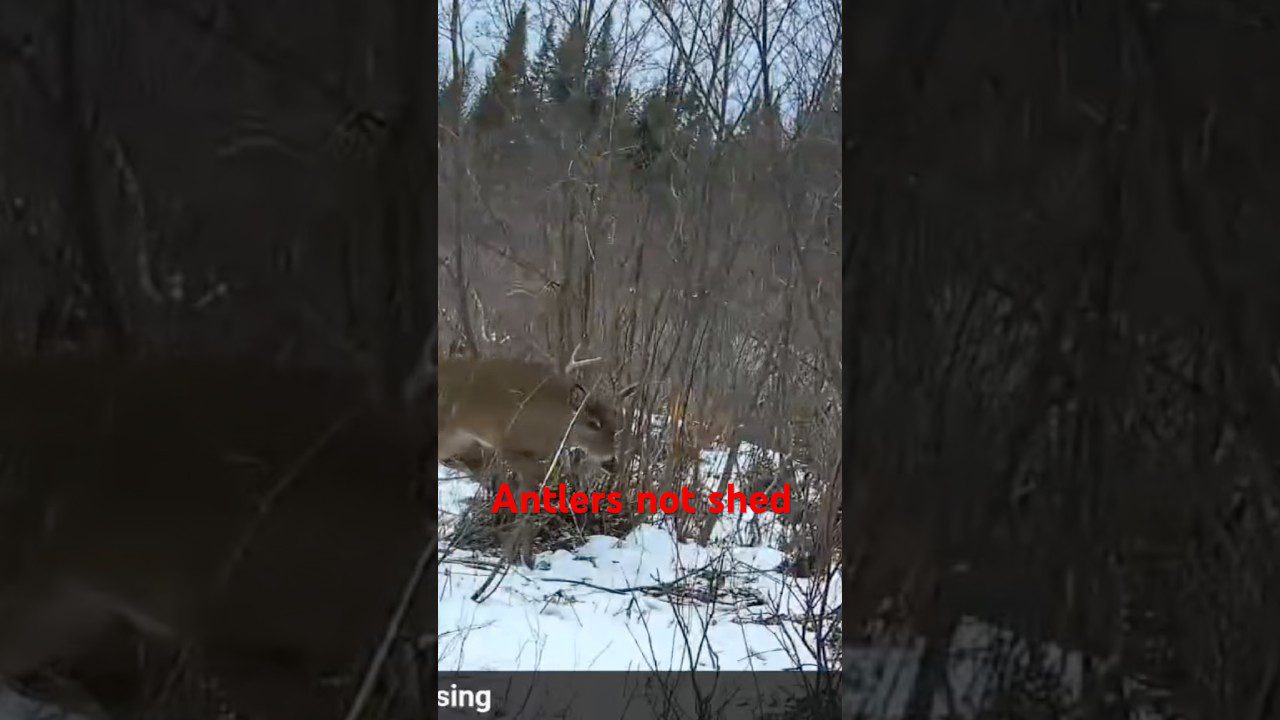
Understanding when do deer shed their antlers is more than just trivia for shed hunters; it’s a critical piece of intel about the health of our local herd here in the Maine woods. Most folks expect bucks to be bare-headed by late February or early March, so when we see a big-bodied buck like this one still carrying his rack, it tells a fascinating story about the winter we’ve had and the condition of our deer population.
The Science of the Shed
Antler casting isn’t random. It’s a biological process triggered by a drop in testosterone after the rut winds down. When those hormone levels fall, a layer of cells at the base of the antler—the pedicle—begins to break down, and eventually, the rack just falls off. It’s a clean break, and the buck will start growing a new, bigger set almost immediately.
So, why is this buck holding his so late in the season? The answer usually comes down to two things: stress and nutrition. A buck that came into winter in prime condition, with plenty of fat reserves and access to good browse, will often hold his antlers longer. His body isn’t as stressed, so his testosterone levels drop more slowly. This is a sign of a dominant, healthy animal that likely survived the winter in great shape.
What This Means for Your Next Hunt
Seeing a buck like this should get any serious hunter’s blood pumping. Here’s why:
- It signals a survivor. This buck made it. He’s a genetically strong animal that knows how to find food and evade pressure, even during the toughest months. He’s exactly the kind of mature deer you want to be scouting for your next deer hunting adventure.
- It reveals wintering grounds. Finding bucks—or their sheds—tells you exactly where they’re spending the winter. This is invaluable information for planning your fall strategy.
- It gauges herd health. If you see multiple bucks holding antlers late, it’s a good sign that the local herd is doing well. If you see a lot of early sheds, it might indicate a tougher winter or poorer food sources. Knowing when do deer shed their antlers in your specific area is a key indicator.
From Hardwater to Open Water
This time of year is all about transition. We’re wrapping up the ice fishing season on the lakes as the rivers start to break free, just like the one in the video. Soon we’ll be trading our ice augers for fly rods and launching the boats for some incredible river float fishing. The wildlife is more active, and it’s the perfect time to be in the woods, paying attention to these small but important details.
For the most up-to-date information on Maine’s wildlife and seasons, we always recommend checking in with the Maine Department of Inland Fisheries & Wildlife. They provide excellent resources for hunters and anglers alike.
The woods are always talking to you, whether you’re hunting, fishing, or just observing. The trick is knowing how to listen. Seeing a buck still holding his rack is the woods telling you that a strong, mature deer is in the area. That’s a conversation worth paying attention to.
Ready to Find Your Maine Trophy?
This kind of on-the-ground knowledge is what separates a good hunt from a great one. It’s what we’ve built our reputation on for over 30 years. If you’re ready to chase a mature Maine buck, we have the experience and the territory to make it happen. Book your guided Maine deer hunt with us today.
From the Field