

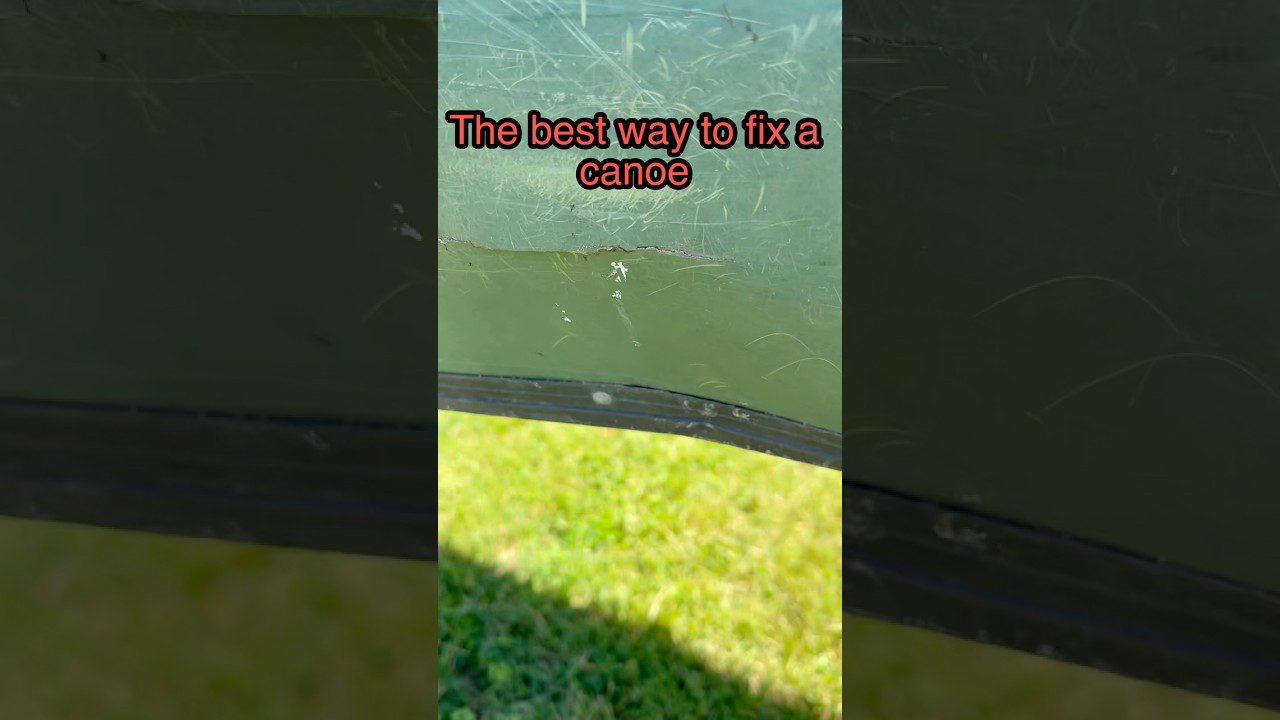
The best broken canoe repair is the one you never have to make. After 30 years guiding folks through the Maine North Woods, I can tell you that a busted canoe miles from the nearest logging road is a situation you don’t want to be in. It’s not just an inconvenience; it can be a serious risk.
The Hard Truth About Backcountry Fixes
We all carry duct tape and maybe a small epoxy kit, but let’s be honest. Those are for pinhole leaks and minor cracks. When you’re facing a catastrophic failure like the one you see in the video, there’s no field kit in the world that’s going to get you back on the water safely. The most important skill isn’t knowing how to patch a hole; it’s knowing how to avoid making one in the first place. Prevention is the only reliable form of broken canoe repair when you’re deep in the wilderness.
Reading the Water: Your First Line of Defense
Most catastrophic canoe damage comes from one thing: hitting something you shouldn’t. The river is always talking to you, and you need to learn its language.
- Strainers & Sweepers: A submerged log or a low-hanging tree can pin a canoe and wrap it in half with the full force of the current. Always give them a wide berth.
- Hidden Rocks: Look for the tell-tale signs on the surface—a boil, a small ripple against the current, or a subtle change in water color. These are the markers for boat-eaters just below.
- Choosing Your Line: In rapids or rock gardens, stop and scout from shore if you have to. A five-minute walk is better than a five-mile hike out with a wrecked canoe.
Knowing how to navigate these obstacles is second nature on our River Float Fishing trips, but it’s a skill every paddler needs to develop.
It’s Not Always Dramatic
Not every trip-ending issue is a dramatic, whitewater crack-up. The damage is often slow and steady. Dragging your canoe over gravel bars, dropping it on rocks at the put-in, or improperly securing it on your vehicle all contribute to weakening the hull. Over time, that weakened spot finds a rock, and you’re left figuring out your next move. Treat your boat with respect on and off the water. A little care at the landing prevents a lot of cursing on the river. This mindset is crucial for any adventure, from a day trip to our multi-day Cast and Blast excursions.
The Pre-Trip Inspection
Before you even load up, give your canoe a once-over. Check for stress cracks (those little white lines in the gel coat), loose rivets, and worn-through spots on the keel. A small issue in the yard can become a major broken canoe repair headache ten miles from your truck. For official guidelines on boating safety, it’s always smart to check with the Maine Dept of Inland Fisheries & Wildlife.
Ultimately, the secret to broken canoe repair is avoiding it. It’s about paddling smart, respecting the river, and knowing the limits of your equipment and your skills.
Ready to float Maine’s heritage waters with an expert who knows every rock and riffle? Book one of our guided River Float Fishing trips and let us handle the navigation while you focus on the fish. Contact us to plan your adventure.
From the Field
More From Our Guides
 The Rewarding Success of Restoring a 50-Year-Old CanoeRead the article →
 Things to Do in Oakland, Maine: A Local Guide to Snow Pond and the Belgrade LakesRead the article →
 The Surprising Secret Under Your Canoe: Maine’s Red-Backed SalamanderRead the article →
 Things to Do in Belgrade, Maine: A Guide to the Belgrade LakesRead the article →