
The Tiny Sign of a Healthy Forest
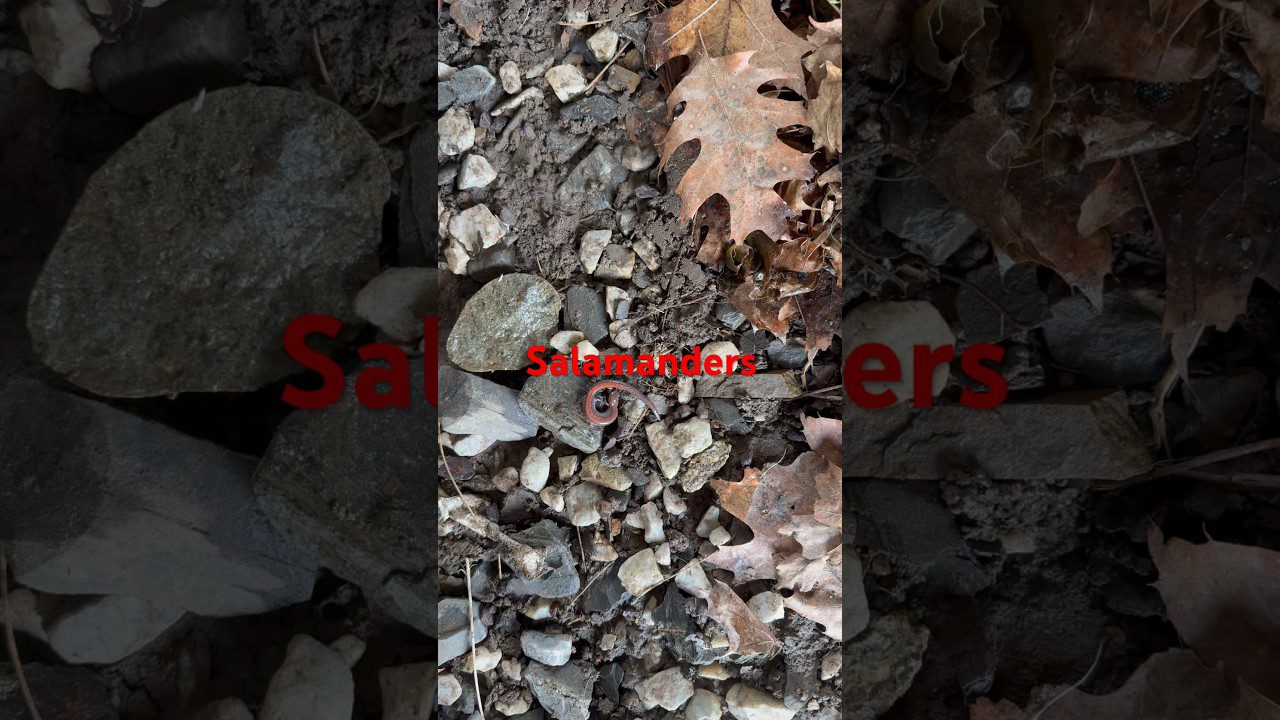
A healthy population of the Red-backed salamander is one of the best indicators of a thriving forest ecosystem here in Maine. People spend so much time looking up—for that buck on the ridge or a grouse in the poplar—that they forget to look down. The real secrets of the woods are often right under your feet, or in this case, right under a canoe that’s been sitting on the shore for a bit.
What Are We Looking At?
What you’re seeing in that video is Plethodon cinereus, the Eastern Red-backed salamander. They’re not lizards; they’re amphibians, and they’re one of the most common vertebrates in the Maine woods. You’ll find them under logs, rocks, leaf litter, and anything else that holds moisture against the forest floor. They breathe through their skin, so they need that damp environment to survive.
These little critters are a cornerstone of the forest food web. They eat mites, insects, and other tiny invertebrates. In turn, they become food for shrews, snakes, birds, and even the occasional brookie that finds one washed into a stream. Their presence is a sign of life from the ground up.
Why This Matters to a Hunter or Angler
So, why should a sportsman care about a tiny salamander? Because everything is connected. When you find a healthy population of the Red-backed salamander, you know a few things instantly:
- The soil is healthy and moist. This supports the kind of undergrowth that provides cover and forage for game animals. It’s the kind of terrain we look for on our guided deer hunting trips.
- The local food chain is intact. A forest floor crawling with life supports bigger prey. More salamanders mean more food for the grouse and woodcock you might be chasing during an upland bird hunt.
- The nearby water is likely clean. The Red-backed salamander is sensitive to acid rain and pollution. A thriving community of them suggests that the local seeps, streams, and ponds are in good shape—exactly what you want for a successful day of fly fishing.
According to the Maine Dept of Inland Fisheries & Wildlife, amphibians like these are crucial environmental indicators. Paying attention to them makes you a more observant and successful outdoorsman.
Reading the Woods
Being a good guide isn’t just about finding the game; it’s about reading the entire landscape. It’s understanding how the presence of a Red-backed salamander connects to the buck you’re tracking. It’s knowing that the health of the forest floor impacts the health of the fishery. Every piece of the puzzle matters.
Next time you’re out, take a moment to flip a log or a rock (and be sure to put it back gently). See what’s living underneath. You might be surprised how much those little signs can tell you about the big picture. Learning to spot these things is a skill, and it’s something we love to teach on all our trips, especially our dedicated Nature Hikes.
Ready to see the Maine woods through the eyes of an expert? Whether you’re chasing a trophy or just want to learn the secrets of the forest, we have an adventure waiting for you. Contact us to book your guided trip today!
From the Field
More From Our Guides
 The Thrilling Agility of the Pine Marten in MaineRead the article →
 The Rewarding Success of Restoring a 50-Year-Old CanoeRead the article →
 Winter ATV Use for Ice Fishing, Trapping and Hunting Access in MaineRead the article →
 The Biggest Canoe Mistake You Can Make in the Maine WoodsRead the article →