
The Unseen Engine of the Maine Woods
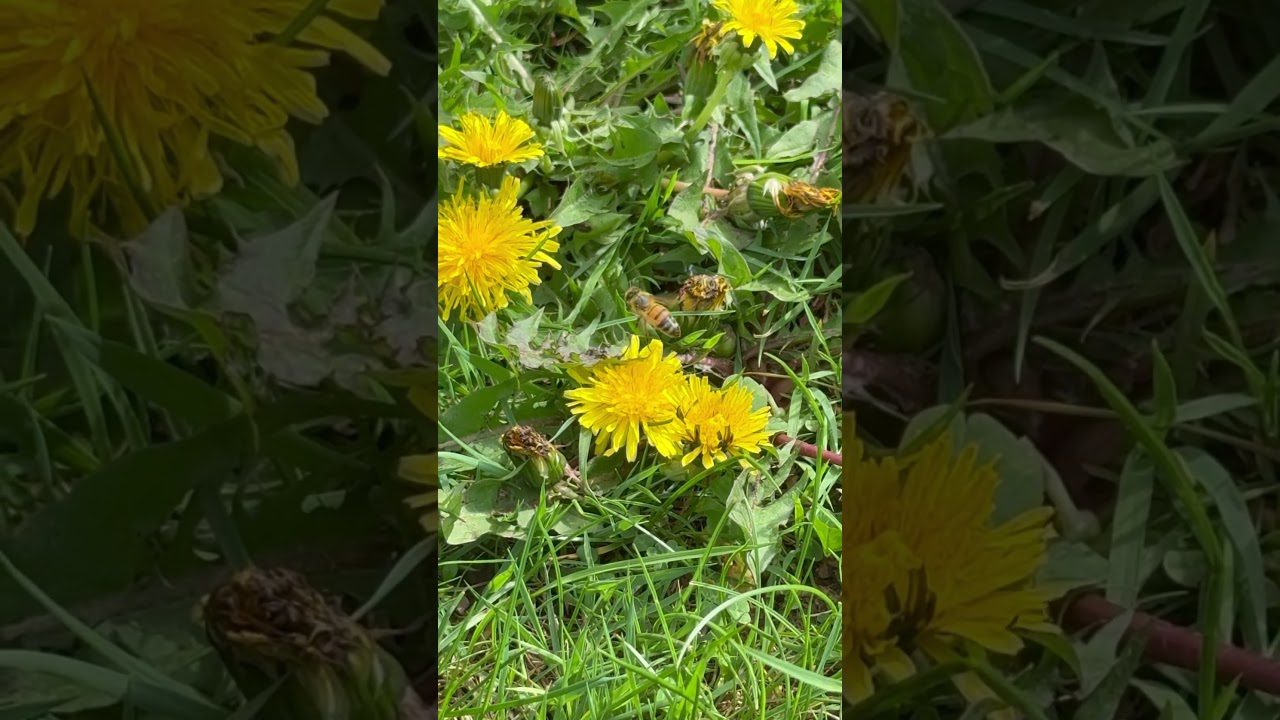
Out here, Maine’s ecosystem health is the single most important factor for a successful season, whether you’re chasing whitetails or waiting for a gobbler. It’s something I’ve learned over 30 years of guiding. We spend so much time scouting for tracks and sign, but the real old-timers know to look for the smaller things, too. Things that most folks walk right past. Things like a simple honey bee, doing its work.
More Than Just Honey and Flowers
When you see that bee, you’re not just seeing an insect. You’re seeing the engine that drives the entire food chain. That bee is ensuring the clover fields are thick and lush for our deer hunting clients. It’s making sure the wild raspberries, blackberries, and blueberries are bursting for the bears and the grouse we pursue on our upland bird hunts. Without these pollinators, the mast crops—the acorns and beechnuts—would falter, and our game would suffer.
This is why understanding Maine’s ecosystem health is not just for scientists; it’s for us. It’s for every hunter, angler, and trapper who wants to see our heritage continue. The health of the forest floor, the diversity of the plants, it all tells a story about the quality of the game in the area.
From the Woods to the Water
This principle doesn’t stop at the treeline. The same healthy plant life that supports our game also stabilizes the banks of our rivers and streams. Those root systems prevent erosion, keep the water clear and cool, and create the perfect habitat for the insects that our native brook trout feed on. It connects everything. A thriving forest means a thriving fishery, which is something we see every day on our fly and wade fishing trips.
We are stewards of this land. It’s our responsibility to understand these connections. Groups like the Maine Department of Inland Fisheries & Wildlife do incredible work managing habitat, but it starts with us paying attention. A healthy population of pollinators is a vital sign of the woods, just like a strong heartbeat. Paying attention to Maine’s ecosystem health makes you a better, more ethical, and ultimately more successful outdoorsman.
The next time you’re in the woods, take a moment. Don’t just look for the buck; look for the bee that helps feed him. It’s a small detail that makes a world of difference. Understanding this deep connection with the outdoors is what we strive to share, whether on an intense hunt or one of our guided nature hikes.
Ready to see the Maine woods through the eyes of a seasoned guide? We don’t just put you on game; we teach you to read the woods and appreciate the deep connection between the land and the animals. Book your guided deer hunt with us today and experience the difference that true woodsmanship makes.
From the Field