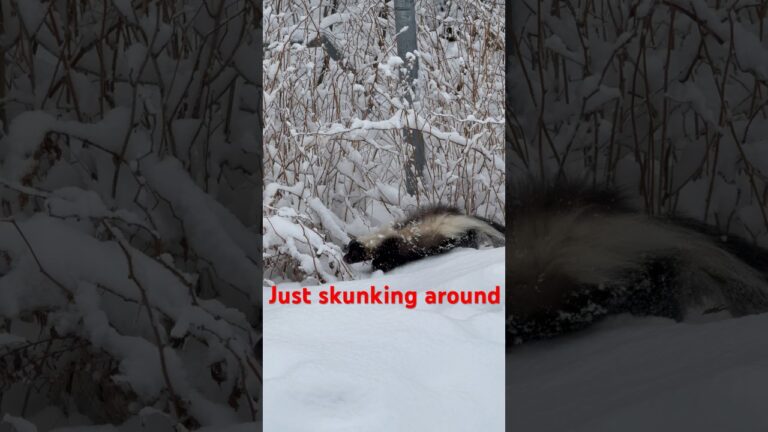

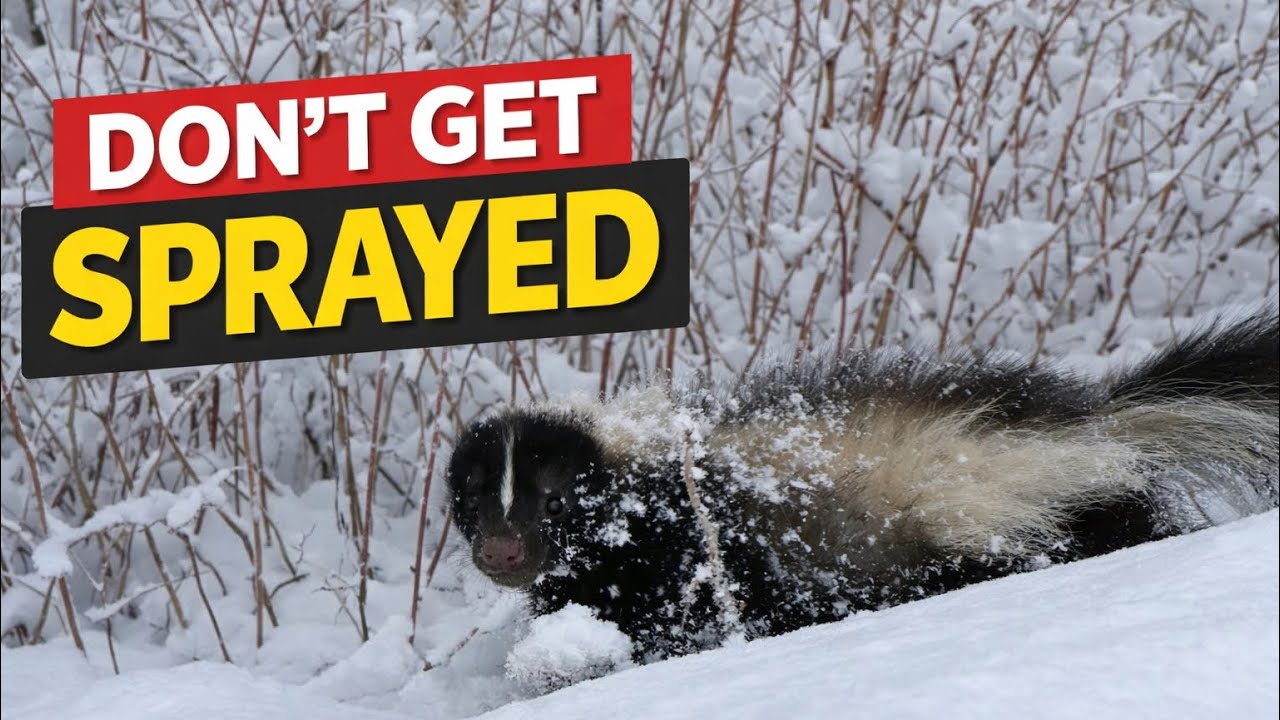
Learning how to trap a skunk without getting a face full of that unforgettable smell is a critical skill for any landowner or trapper in Maine. It’s one of the first things folks ask about, and for good reason—one mistake can follow you around for weeks. But with the right approach, it’s a surprisingly low-stress job. I’ve handled hundreds of them over the years, and this is the method that works every time.
The Core Mistake: Causing Panic
The number one reason people get sprayed is simple: they startle the skunk. A skunk doesn’t want to spray you. That’s its last line of defense, and it leaves them vulnerable for a bit. They give you plenty of warning—stamping their feet, raising their tail. If you see that, you’re moving too fast or making too much noise. The secret to a successful interaction is keeping the animal calm from start to finish.
The Field-Proven Method for Trapping a Skunk
Forget all the myths you’ve heard. The technique is all about making the skunk feel secure, not threatened. Here’s exactly what to do:
- Use the Right Trap: A live box trap, like a Havahart, is what you need. It contains the animal safely without harming it.
- Bring a Dark Cover: The most important piece of gear besides the trap is a large, dark-colored blanket, tarp, or even a big piece of cardboard. Something that will block out all the light.
- The Slow, Quiet Approach: When you see you’ve got one, approach the trap slowly and quietly. I often talk to them in a low, calm voice. No sudden movements. Let the animal see you coming from a distance so you don’t surprise it.
- Cover the Trap: Gently and slowly, lay your cover over the entire trap. Once the skunk is in darkness, its whole demeanor changes. It feels like it’s in a secure den and the threat is gone. This is the key to how to trap a skunk without drama.
- Safe Transport: With the trap completely covered, you can now pick it up by the handle and move it. The skunk will stay calm. It won’t spray inside what it thinks is its own safe, dark space.
What’s Next? Relocation and Regulations
Once you have the skunk secured, you can transport it for relocation. It’s crucial to know your local and state laws. Always check with the Maine Dept of Inland Fisheries & Wildlife for the latest regulations on relocating nuisance wildlife. Following the rules is just as important as not getting sprayed.
This is the kind of practical, no-nonsense knowledge that makes all the difference in the woods. It’s one small piece of the puzzle we teach folks who are serious about the outdoors. These skills are fundamental to a successful trapline.
Plenty of people reading this are not building a trapline — they have a skunk under a deck or an outbuilding and would rather not be the one holding the trap. That is skunk removal, and it is one of the calls we take year round.
Ready to move beyond the basics and learn how to read the terrain for beaver, fisher, and coyote? Our guided trapping experiences are hands-on, in-the-field training sessions. Book a guided trapping trip with us and learn the skills that have been passed down for generations in the Maine North Woods.
From the Field