
Understanding Maine deer behavior is the single most important skill a hunter can have, and it’s often the most overlooked. Folks get caught up in gear, scents, and trophy photos, but they forget that success comes from knowing the animal. It’s not always about the heart-pounding moment a giant appears; more often, it’s about the quiet, simple observations like the one you’re about to see. This is what fills the freezer year after year.
What This Buck is Really Doing
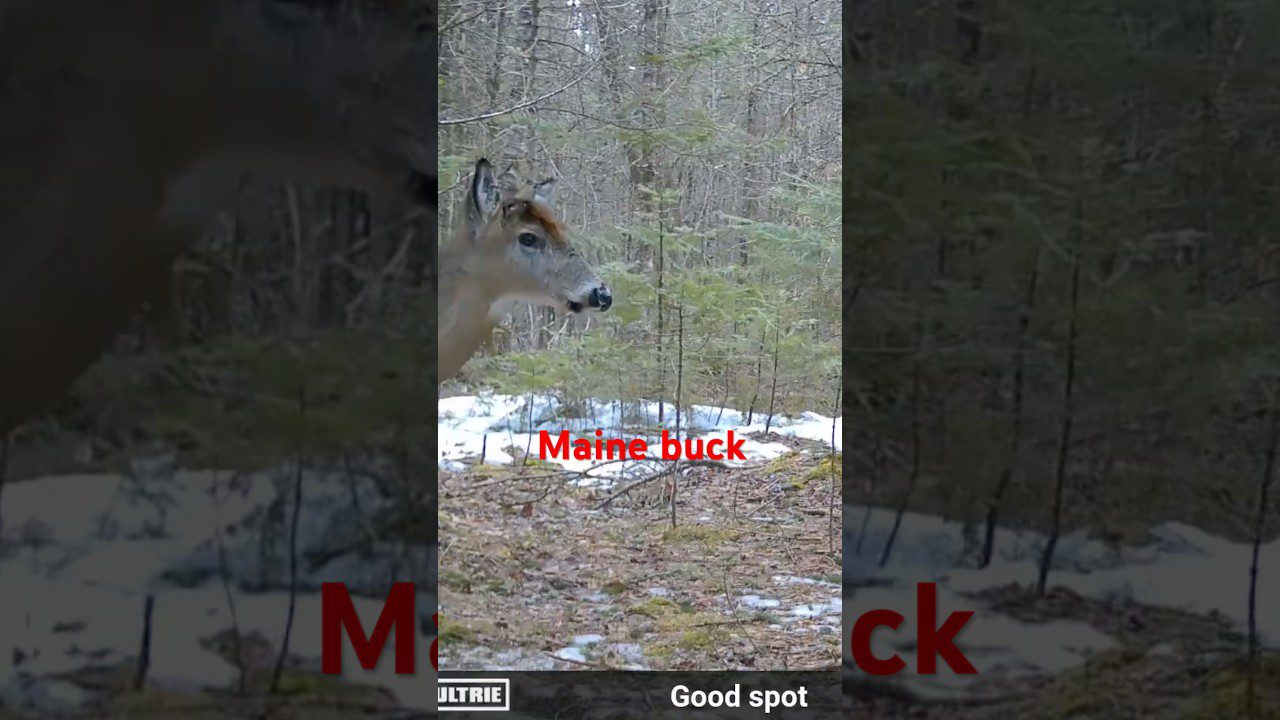
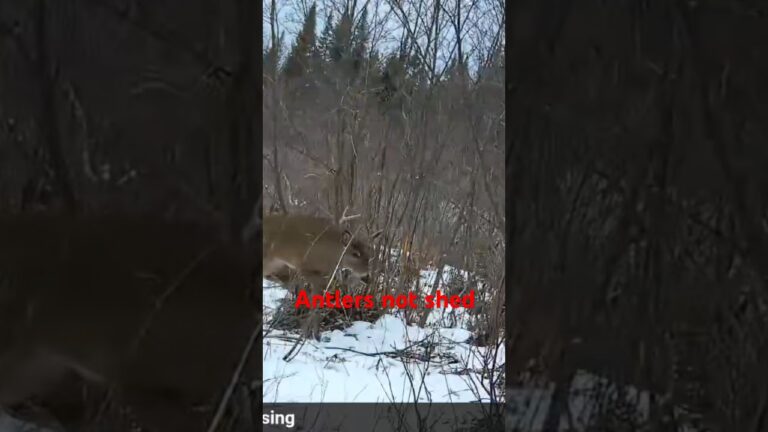
Take a good look at the video. This young buck is completely at ease. He’s not spooked, he’s not on high alert. He’s just casually moving through his territory. This is textbook Maine deer behavior when an animal feels secure. He’s likely moving from a bedding area to a feed source, or just stretching his legs mid-day. The biggest mistake a hunter can make is dismissing this as ‘just a small buck’.
This critter is giving you a goldmine of information. His calm demeanor tells you that you haven’t pressured the area. His path tells you the exact travel corridor deer are using. He’s your living, breathing proof that you’ve set up in a place the deer want to be. This isn’t luck; it’s the result of good scouting and understanding the woods.
Lessons from a Casual Stroll
After 30 years in these woods, I’ve learned that the small moments teach the biggest lessons about how to hunt effectively. Here’s what this buck tells us:
- Patience Pays Off: Sitting still and observing is how you learn. This buck’s presence confirms the area is active. Where there are young bucks and does, a mature buck will eventually show up, especially as the rut approaches.
- Travel Corridors are Key: He isn’t walking through the wide-open. He’s using the terrain and cover to his advantage. Identifying these natural funnels and pinch points is fundamental to a successful deer hunting strategy. This is where you hang a stand.
- They Move All Day: The idea that deer only move at dawn and dusk is a myth. Unpressured deer, like this one, will move throughout the day. Understanding this specific pattern of Maine deer behavior can give you a huge advantage over other hunters who head back to camp at 9 AM.
Building the Full Picture
Every deer you see is a piece of a larger puzzle. Seeing this buck confirms your trail camera placements, your stand location, and your understanding of the local herd’s habits. This is how you stop being a passive hunter waiting for something to happen and become an active predator who anticipates movement. This knowledge, combined with a strict adherence to the regulations set by the Maine Dept of Inland Fisheries & Wildlife, is what leads to consistent success.
The bottom line is this: The most advanced gear in the world can’t replace a fundamental understanding of Maine deer behavior. Learn to read these simple signs, and you’ll be on your way to becoming a better woodsman.
If you’re ready to shorten the learning curve and get a masterclass in reading the Maine woods, we can help. Our guided trips are about more than just a harvest; they’re about teaching you the skills to succeed for a lifetime. Book Your Guided Maine Deer Hunt with us today and learn the secrets of the North Woods.
From the Field
More From Our Guides
 The Surprising Truth About Winter Wildlife in MaineRead the article →
 The Biggest Risk in Skunk Trapping (And How to Avoid It)Read the article →
 Winter Deer Scouting: What a Healthy Buck in a Deer Yard Tells YouRead the article →
 The Surprising Truth About When Maine Bucks Shed Their AntlersRead the article →