
Understanding Maine black bear foraging is one of the most vital, yet overlooked, skills for anyone spending time in the North Woods. It’s more than just watching a wild animal; it’s about reading the story the woods are telling you. After three decades of guiding, I can tell you that what a bear is eating, and where, dictates almost everything about its daily life and travel patterns.
What You’re Really Seeing
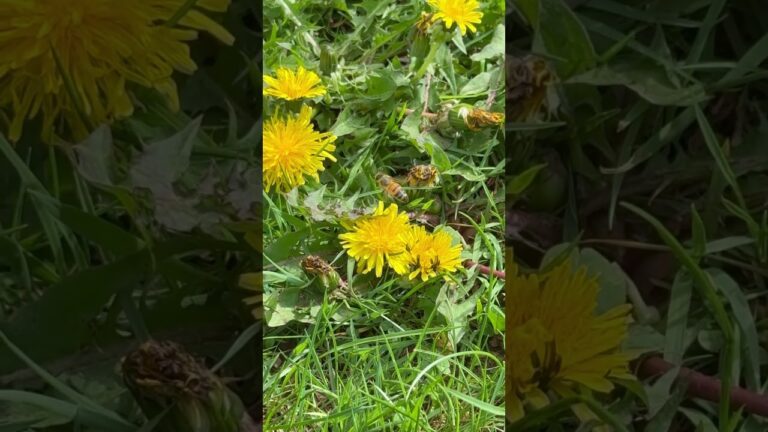
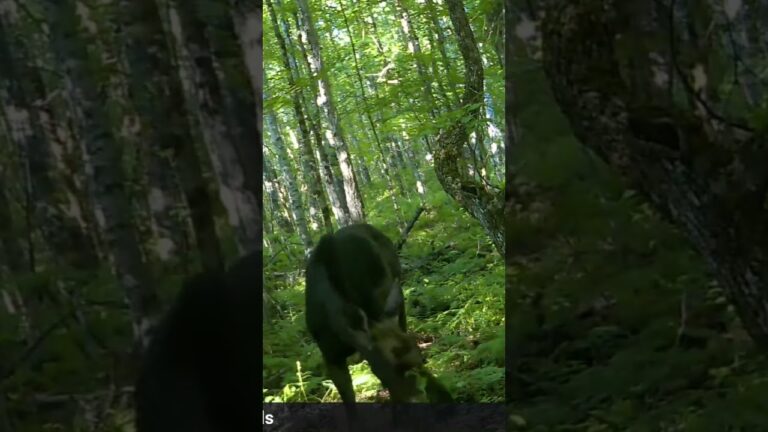
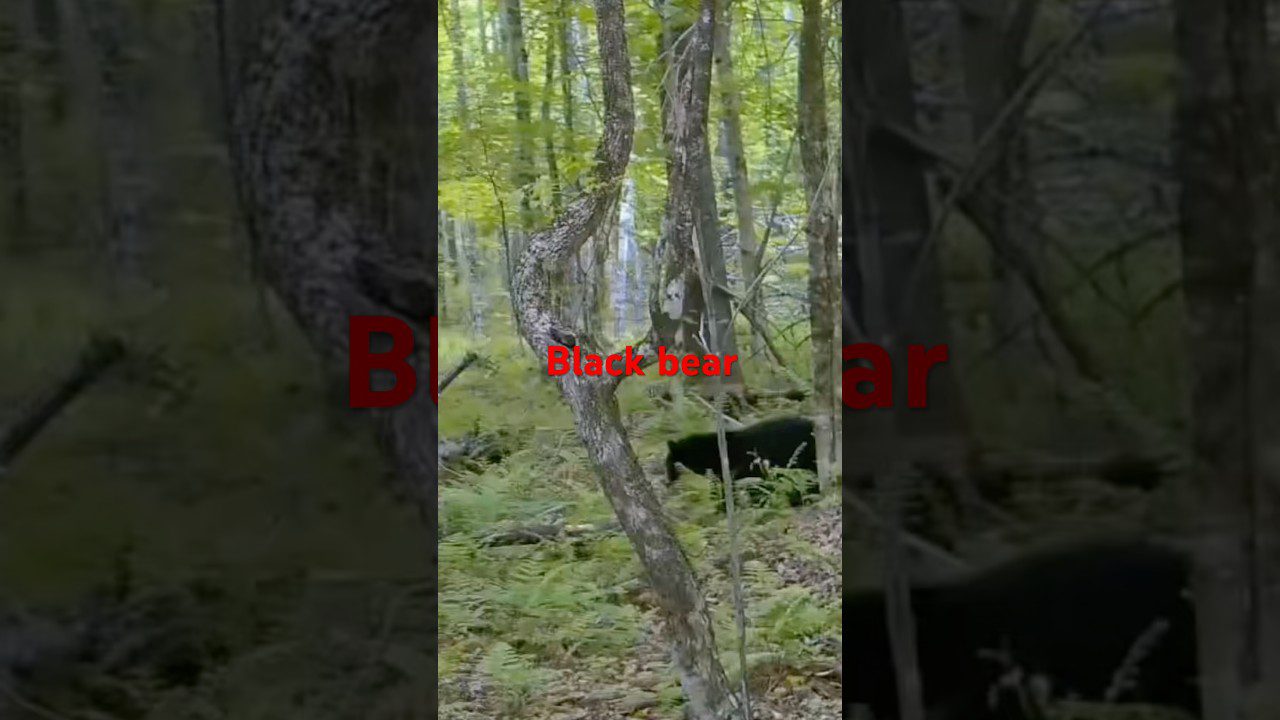
When you watch that video, you see a bear moseying along, sniffing the ground. To the untrained eye, it’s just wandering. But a woods-wise hunter sees a creature on a mission. That bear is a walking stomach, constantly searching for the highest-calorie food source it can find with the least amount of effort. Depending on the season, that could be anything from newly sprouted greens in the spring to grubs in a rotten log, or berries and beech nuts in late summer and fall.
This constant search for food is the key to predicting their location. The secret isn’t finding the bear; it’s finding what the bear wants to eat. This knowledge about Maine black bear foraging separates the lucky hunters from the successful ones.
Reading the Sign Left Behind
Most of the time, you won’t see the bear itself. You’ll see the evidence it leaves behind. Learning to spot and interpret this sign is a game-changer.
- Torn-Up Stumps: Bears have an incredible sense of smell and can pinpoint an ant colony or a nest of grubs inside a dead stump. When you see a stump that looks like it’s been through a woodchipper, that’s fresh bear sign.
- Scat: Bear scat tells you exactly what they’re eating. In early summer it might be full of grass and clover. Later on, it will be packed with raspberry or blackberry seeds. If you find scat full of beech nut shells, you know exactly where that bear is spending its time.
- Claw Marks on Trees: Beech trees are a favorite. You’ll often see deep, parallel claw marks where bears have shimmied up the smooth bark to get at the nuts. These aren’t just trail markers; they’re signposts pointing to a prime food source.
How This Applies to All Outdoorsmen
This isn’t just for bear hunters. If you’re out on one of our Nature Hikes, knowing a bear’s habits keeps you aware and safe. If you’re Deer Hunting, remember that deer and bear often share the same travel corridors between bedding areas and food sources. The same oak ridge or overgrown apple orchard that attracts bears will also attract whitetails.
Effective management of our bear population is a science, and the folks at the Maine Dept of Inland Fisheries & Wildlife do a tremendous job. As sportsmen, our role is to be ethical, knowledgeable, and respectful of these powerful animals. Understanding the nuances of Maine black bear foraging is a huge part of that respect.
It’s about seeing the forest for more than just the trees. It’s about understanding the intricate web of life out here. When you can do that, your success and enjoyment of the Maine woods will go through the roof. It takes years to learn, but every trip out is a lesson.
Ready to see the Maine woods through the eyes of a professional guide? Whether you’re after a trophy or just the experience of a lifetime, we can put you in the right place. Contact us to book your guided adventure today.
From the Field