
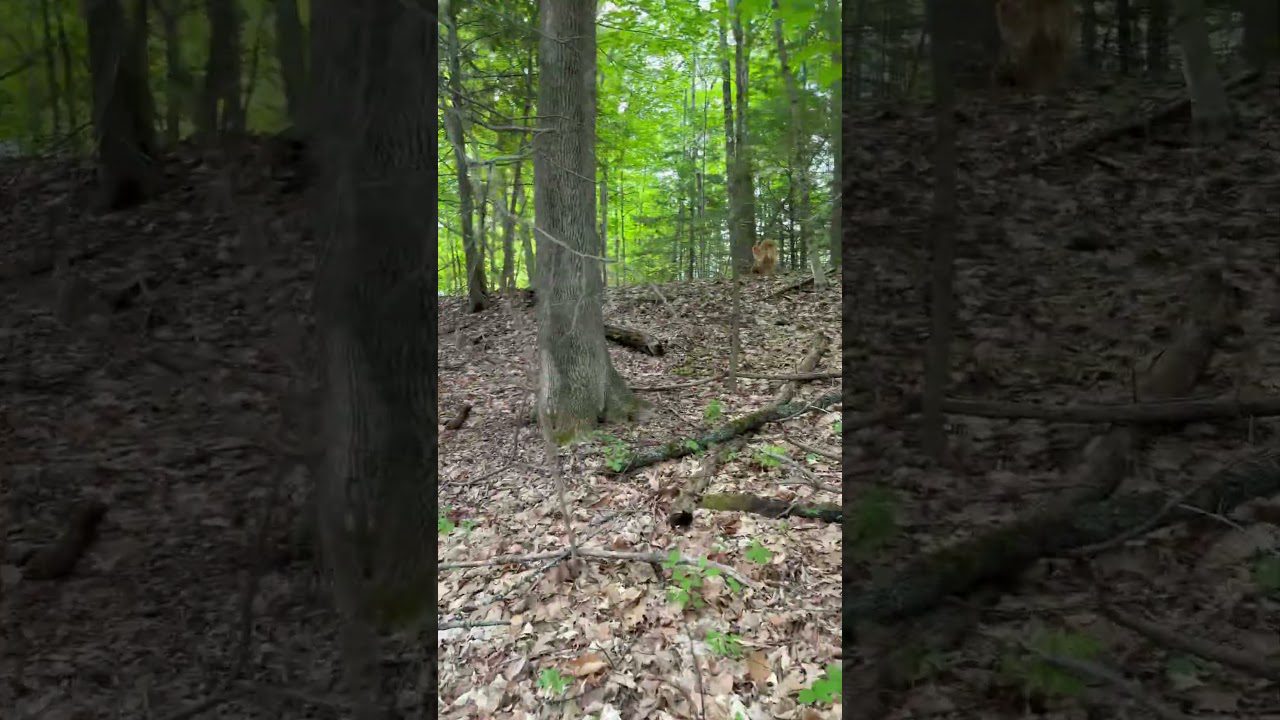
Maine shed hunting is one of the best ways to get back into the woods after the hardwater season wraps up and before the spring turkey gobble. It’s a different kind of hunt—a quiet search for the “white gold” that bucks and bulls leave behind. This is the time of year when the forest floor starts to reveal its secrets, and if you know where to look, you can find some real treasures that tell the story of the animals that survived another tough Maine winter.
As you can see in the video, sometimes success is as simple as taking a walk with a good dog. There’s a special kind of satisfaction in watching a four-legged partner put their nose to work and come up with a beautiful antler. But whether you’re with a dog or on your own, the thrill is the same. It’s a connection to the animals we pursue and the land we all share.
Why We Go Shed Hunting
For us, it’s more than just a walk. Every shed antler is a clue. Finding a good number of sheds in an area tells you it’s a wintering spot worth remembering. It’s the perfect way to do some low-impact scouting for your fall deer hunting season. You learn the travel corridors, the bedding areas, and where they’re feeding when the snow is deep. This kind of intel is invaluable.
Tips for a Successful Maine Shed Hunt
Finding sheds consistently takes a bit of strategy. It’s not just aimless wandering. Over the years, we’ve learned a few things that tip the odds in our favor. Here are a few to get you started:
- Timing is Everything: The sweet spot is usually from late February through April, after the snow has melted back but before the woods green up. Too early, and sheds are buried. Too late, and the forest floor and the squirrels will hide them. Always respect land access, and for state-specific info, the Maine Dept of Inland Fisheries & Wildlife is your best resource.
- Focus on Food & Cover: Deer and moose conserve energy in winter. Look for sheds on south-facing slopes where the sun melts snow first, exposing browse. Check the edges of thick spruce or cedar stands where they bed down to escape the wind. Water crossings and fence lines are also prime spots where an antler can get knocked loose. Successful moose hunting often starts with finding their massive sheds months earlier.
- Slow Down and Train Your Eyes: This isn’t a race. A successful shed hunt is a slow, methodical grid search. You’re not looking for a whole deer, just the glint of a white tine or the curve of a main beam against the brown leaf litter. It takes practice, but soon you’ll start spotting them from a distance.
- Use Your Tools: A good pair of binoculars is your best friend. Glassing hillsides and clearings can save you a lot of walking. It’s a perfect excuse for a dedicated nature hike with a purpose.
Experience Makes the Difference
The real secret to successful Maine shed hunting is time in the woods. It’s about understanding animal behavior through the seasons, knowledge that only comes from decades of observation. That’s the kind of deep-woods experience that our guides bring to every trip.
Ready to turn a walk in the woods into a treasure hunt? Our guided Nature Hikes can be tailored to focus on shed hunting, teaching you exactly what to look for and where. Contact us to book your off-season adventure today!
From the Field