
Watch the Strategy in Action
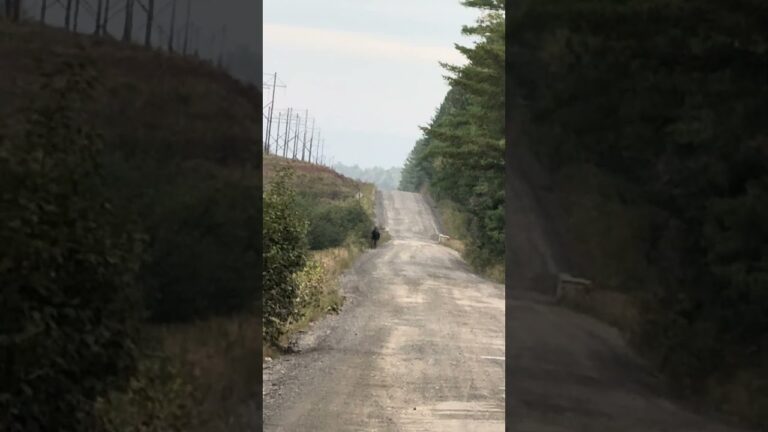
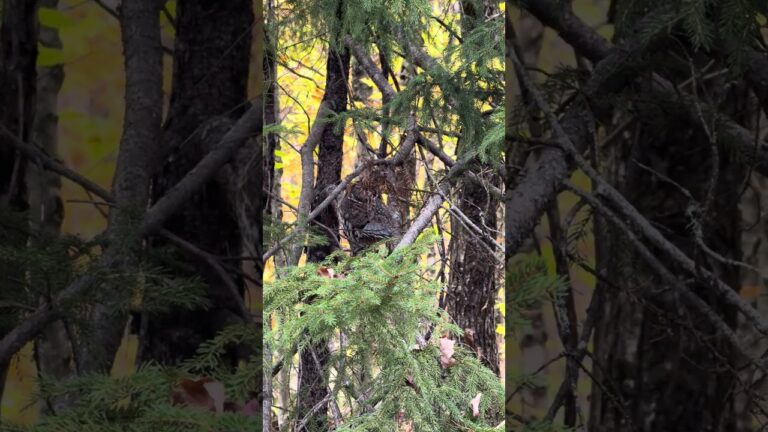
Check out the video below to see these specific habitats and spotting techniques in the field:
Opening day of the Maine grouse hunting season is just around the corner! As we gear up to get back into the woods, it’s the perfect time to refine your strategy. Whether you are a seasoned upland bird hunter or new to the sport, preparation is key to a full bag.
At Thibodeau Outdoor Adventures, we spend countless hours scouting the Maine woods. We’re looking back at a successful hunt from a previous season to break down exactly what our guides look for when chasing ruffed grouse.
Whether you plan on driving the logging roads or walking the trails this year, knowing how to read the landscape can turn a quiet walk into a limited-out day. Here are our top tips for identifying prime grouse habitat and spotting birds early in the season.
1. The Perfect Habitat Checklist
Grouse are creatures of convenience—they want food, water, and shelter in one tight location so they don’t have to travel far. To hunt like a pro, look for “micro-habitats” that combine these four elements. If you find a spot that has them all, get off the road and get in there!
Cover: Look for Evergreens. Grouse love the thick protection they offer from predators and weather.
Food: Keep an eye out for wild food sources right next to that cover. In Maine, we specifically look for wild berries (like strawberries) and mushrooms.
Water: If you find cover and food near flowing water, you have found an ideal location.
Gravel: Grouse need grit to digest their food. Look for loose gravel—and we mean loose. If you find a spot with gravel near food and water, you’re in business.
2. Sunning Spots: Check the Rock Ledges
As you move from spot to spot, scan the sides of the road for small rock ledges. Grouse love to sit on top of these to sun themselves and soak up the morning heat, especially on crisp Maine mornings.
Guide Tip: You get bonus points if you find a rock ledge that is facing Southeast or Southwest, depending on the time of day, as those catch the best sun.
3. The “Sweep” Technique for Spotting Birds
Whether you are driving logging roads or walking the trails, effective scanning is what separates a successful hunt from a long hike.
If Driving: Scan about 10, 15, and 20 yards in front of the vehicle, sweeping your eyes back and forth constantly.
If Walking: Tighten your focus to 5, 10, and 20 yards. Check the underbrush right on the side of the road.
Don’t Forget the Mirrors: Watch your mirrors as you drive. Sometimes birds will hold tight and then pop out of the brush after you have passed them.
4. Early Season Patience
Hunting right at the beginning of the season can be tough. The foliage hasn’t died off yet, and a ruffed grouse’s camouflage is incredible against the Maine undergrowth.
As seen in our video, these birds blend in perfectly with rock walls and dead leaves. Unless they are drumming or fanned out sunning themselves, they can be nearly invisible. Don’t get discouraged if you don’t limit out immediately—it gets easier as the leaves drop!