

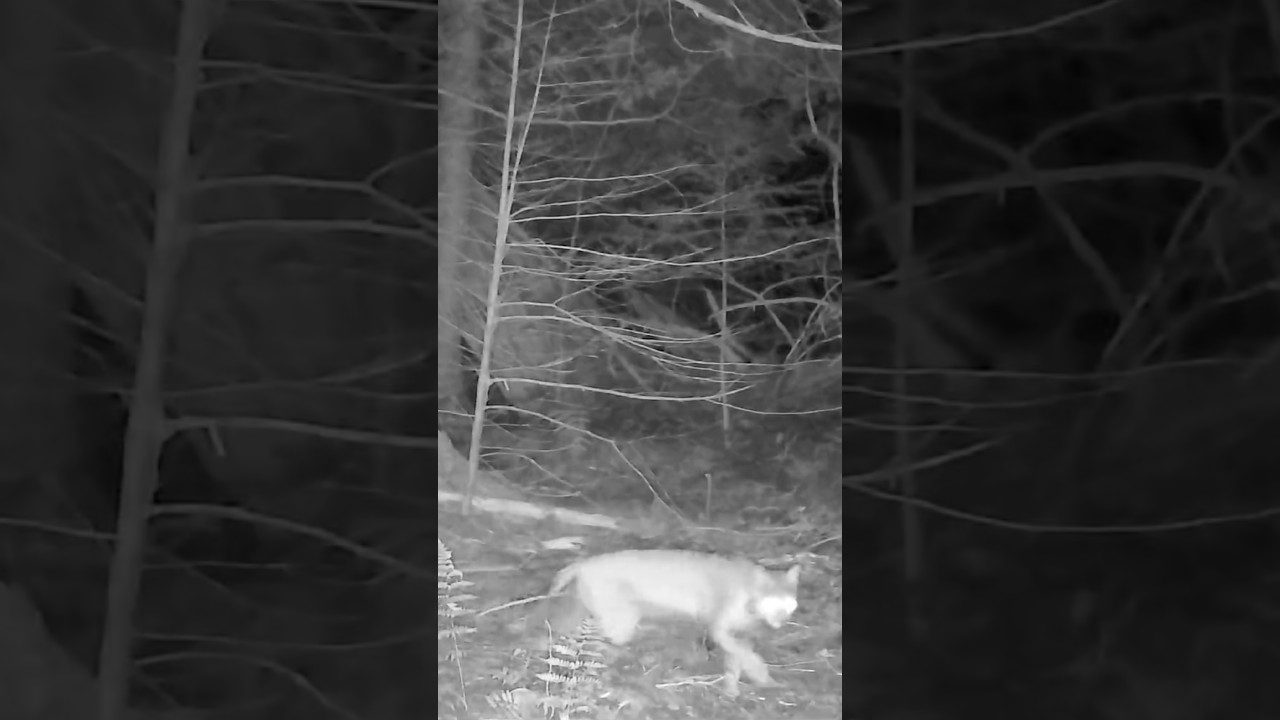
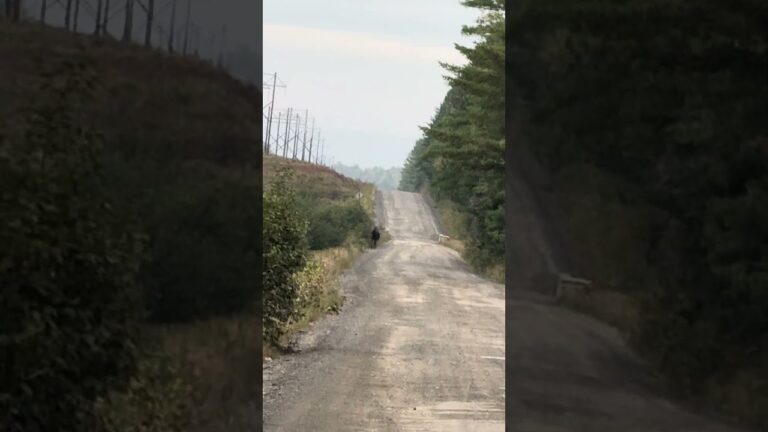
Successful Maine bobcat hunting starts long before you ever shoulder a rifle or set a trap; it begins with moments like this, captured on a game camera deep in the woods. We spend countless hours scouting, and every so often, the forest gives you a gift—a glimpse of a true North Woods ghost. This is what it’s all about: understanding the animal you’re pursuing, seeing it in its prime, and respecting the wildness it represents.
Not Just a Walk in the Woods
When you watch the video, you’ll notice this cat isn’t just wandering aimlessly. There’s a purpose to its stride. It’s patrolling a territory, likely checking scent markers and listening for its next meal. This is a predator at the top of its game, healthy and confident. For a hunter or trapper, footage like this is pure gold. It tells you that your location is active and that a mature animal is using the corridor.
Understanding this behavior is a critical secret to Maine bobcat hunting. They are creatures of habit and efficiency. They’ll use the path of least resistance—old logging roads, beaver dam crossings, and thick field edges—to conserve energy while hunting their primary prey like snowshoe hare and squirrels.
Reading the Land
Finding a bobcat isn’t about luck; it’s about putting the odds in your favor. They are masters of camouflage and can disappear into thin air. The key is to find their travel ways and food sources. We look for specific signs that tell us a cat is in the area:
- Tracks: A bobcat track is round, shows no claw marks (like a coyote’s), and has a distinctive ‘C’ shape in the negative space of the main pad.
- Scat: Often found right in the middle of a trail, used as a territorial marker.
- Habitat: They love thick, nasty cover. Think cedar swamps, regenerating clear-cuts, and rocky ledges. This is where their prey lives, so this is where they hunt.
The Art of the Pursuit
Whether you’re calling them in or running a trapline, success comes down to meticulous preparation. Scent control is everything. An educated bobcat will bust you from hundreds of yards away if the wind is wrong. When calling, you need patience. Cats can take a long time to commit, circling downwind to try and scent you before they show themselves.
For those interested in the heritage art of trapping, understanding the regulations set by the Maine Dept of Inland Fisheries & Wildlife is paramount. Our guided trapping experiences are built on decades of ethical and effective practices. We teach you how to make sets that are efficient, selective, and humane. Effective Maine bobcat hunting and trapping is a craft honed over many seasons in the woods.
Seeing a ghost like this on camera is a thrill, but it’s also a piece of a much larger puzzle. It confirms our scouting and fuels our passion for the pursuit. This is the heart of the Maine outdoors experience—the constant learning, the challenge, and the deep respect for these incredible animals.
Ready to pursue the ghost of the North Woods? Our guided trapping and hunting trips are designed to put you in the heart of bobcat country with an expert by your side. Contact us today to book your adventure.
From the Field
More From Our Guides
 How to Clean a Ruffed Grouse in Seconds: The Step-on-Wings MethodRead the article →
 DIY Bushcraft: How to Make a Moose Call from Birch BarkRead the article →
 Why Bull Moose Feed in Ponds: Reading Maine Moose BehaviorRead the article →
 The Unforgettable Thrill of a Maine Bull Moose EncounterRead the article →